

Why Women Need Body Fat: The Hormone Connection
When women talk about fitness, the conversation often focuses on losing fat. Lose belly fat. Burn more calories. Get leaner. Drop the body-fat percentage.
But here’s something every woman should understand:
Body fat is not the enemy.
A woman’s body actually needs fat to function properly. The goal of a healthy lifestyle is not to eliminate as much body fat as possible. It is to reduce excess or unhealthy fat while maintaining enough essential and stored fat to support hormones, reproductive health, energy, and overall well-being.
For women especially, body fat and hormones have a very important relationship.
Body Fat Is an Active Part of Your Body
For years, body fat was viewed mainly as stored energy. We now know adipose tissue—what we commonly call body fat—is much more biologically active than that.
Fat tissue communicates with other parts of the body by producing and influencing signaling molecules and hormones involved in:
appetite and fullness
energy availability
insulin sensitivity
inflammation
reproductive function
menstrual health
metabolism
This is one reason a woman's body can respond very differently when body fat becomes too high or too low.
Your body isn't simply asking, “How much do I weigh?”
It is constantly responding to whether it has enough energy and nutritional resources to maintain essential functions.
Why Women Naturally Carry More Body Fat Than Men
Women generally require and carry a higher percentage of body fat than men, partly because of reproductive biology.
Estrogen contributes to characteristic female fat distribution, particularly around areas such as the:
hips • thighs • buttocks • breasts
This doesn't mean every woman will store fat in exactly the same places. Genetics, age, hormones, lifestyle, pregnancy history, menopause and other factors all influence body composition.
But those feminine curves aren't automatically evidence that something needs to be “fixed.”
Some body fat is normal, necessary and protective.
Body Fat and Estrogen
One of the most interesting connections involves estrogen.
The ovaries are a major source of estrogen during the reproductive years, but adipose tissue also participates in estrogen metabolism.
Fat tissue contains an enzyme called aromatase, which can convert certain androgens into estrogens.
That becomes particularly relevant as women approach and move through menopause. As ovarian estrogen production declines, peripheral tissues—including adipose tissue—become a more meaningful source of estrogen production.
But this doesn't mean:
“More body fat = better estrogen.”
It is about balance.
Excess adipose tissue can contribute to higher estrogen exposure in some women, while extremely low body fat or chronic energy deficiency can interfere with normal reproductive hormone signaling.
Both extremes can create problems.
What Happens When Body Fat—or Energy Availability—Gets Too Low?
This is where the fitness industry can sometimes send women the wrong message.
Getting progressively leaner isn't automatically getting progressively healthier.
When the body doesn't receive enough energy to support both exercise and normal physiological functions, the brain can begin conserving resources.
The hypothalamus plays an important role in this process.
If energy availability remains too low, signaling through the hypothalamic-pituitary-ovarian (HPO) axis can become disrupted.
That can affect the hormonal signals responsible for ovulation and menstruation.
A woman may experience:
irregular periods
missed periods
reduced reproductive hormone activity
decreased libido
fatigue
poor workout recovery
reduced performance
mood changes
compromised bone health
Importantly, this isn't determined by body-fat percentage alone. A woman can experience inadequate energy availability because she is under-fueling relative to her activity level, even if she doesn't appear extremely lean.
This is one reason losing your menstrual cycle because of aggressive dieting or excessive training should not be treated as a fitness accomplishment.
Your period is also providing information about what is happening inside your body.
Leptin: Your Fat Tissue Talks to Your Brain
Another important player is leptin.
Leptin is a hormone produced primarily by fat cells. One of its jobs is helping communicate information about the body's energy stores to the brain.
Generally, when energy stores decrease substantially, leptin signaling decreases.
That is one of several signals the brain can interpret when determining whether sufficient energy is available for functions such as reproduction.
But the opposite extreme isn't ideal either.
People with obesity can have high circulating leptin levels yet become less responsive to its signals—a phenomenon commonly called leptin resistance.
Again, we come back to the same word:
Balance.
Too Much Body Fat Can Affect Hormones Too
Protecting healthy body fat doesn't mean ignoring excessive body fat.
When adipose tissue becomes excessive—particularly when there is a large amount of visceral fat surrounding the abdominal organs—the metabolic environment can change.
Excess visceral and overall adiposity are associated with problems including:
insulin resistance
chronic low-grade inflammation
altered sex-hormone metabolism
increased cardiometabolic risk
Insulin deserves special attention.
When cells become less responsive to insulin, the pancreas may compensate by producing more of it. Insulin resistance and elevated insulin levels can interact with reproductive hormones and are particularly important in conditions such as polycystic ovary syndrome (PCOS).
So when Core & Curves Wellness talks about reducing visceral fat, we're not simply talking about creating a flatter stomach.
We're talking about metabolic health.
Subcutaneous Fat and Visceral Fat Are Not the Same
This distinction is extremely important for women who are trying to change their bodies.
Subcutaneous fat
This is the fat located underneath your skin.
It contributes to the softness and curves you can see and feel around the:
hips
thighs
buttocks
abdomen
arms
Visceral fat
Visceral fat is stored deeper inside the abdominal cavity around internal organs.
While we need body fat, excess visceral fat carries substantially greater metabolic risk than the soft layer of subcutaneous fat sitting beneath the skin.
That changes the goal.
Instead of thinking:
“I need to get rid of all this fat.”
Think:
“I want to improve my body composition and metabolic health while preserving the healthy tissue my body needs.”
That's a very different approach to wellness.
Your Curves Aren't the Problem
Hey, my Curvy Queens, this is something I especially want you to understand.
Having softness doesn't automatically mean you're unhealthy.
Having thighs doesn't mean you're unhealthy.
Having hips doesn't mean you're unhealthy.
Having a soft butt doesn't mean you're unhealthy.
And having some abdominal subcutaneous fat doesn't automatically mean you're unhealthy either.
A woman's body was never designed to maintain zero softness.
At Core & Curves Wellness, we're not chasing the smallest body possible.
We're building a stronger, healthier body while respecting female physiology.
That's why the focus should be on body composition rather than simply chasing a lower number on the scale.
Build muscle.
Reduce excessive visceral fat.
Eat enough protein.
Include healthy dietary fats.
Choose fiber-rich carbohydrates.
Strength train.
Move your body consistently.
Sleep.
Recover.
And give your body enough nutrition to support what you're asking it to do.
Don't Be Afraid of Dietary Fat Either
Body fat and dietary fat are not the same thing, but this conversation wouldn't be complete without addressing both.
Women sometimes become so focused on losing body fat that they also try to eliminate nearly all fat from their diet.
That's unnecessary.
Dietary fats provide essential fatty acids, support cell membranes and help the body absorb the fat-soluble vitamins A, D, E and K. Cholesterol also serves as a precursor used in steroid-hormone production.
Healthy fat sources can include foods such as:
avocado • olive oil • nuts • seeds • fatty fish
Calories still matter, so healthy fats don't need to be eaten without limits. But they absolutely can be part of a balanced fat-loss nutrition plan.
What Happens During Perimenopause and Menopause?
Hormonal changes across midlife can also change where a woman's body prefers to store fat.
As estrogen levels fluctuate during perimenopause and eventually decline through menopause, women may notice a shift away from predominantly lower-body fat storage toward greater central or abdominal fat accumulation.
Aging, sleep, activity levels, muscle mass, genetics and dietary patterns can contribute as well.
This means the body that responded one way at 25 may not respond exactly the same way at 40, 45, 50 or beyond.
That doesn't mean your body has stopped working.
The strategy may simply need to change with the season your body is in.
Strength training becomes especially valuable because preserving and building muscle supports physical function and metabolic health as we age.
The Core & Curves Approach: Lose What Hurts You, Keep What Serves You
The goal isn't:
SKINNY AT ALL COSTS.
And it isn't:
FAT LOSS AT ALL COSTS.
The goal is improving health and body composition without sacrificing the systems that keep your body functioning.
That means we can pursue:
less excessive visceral fat + more muscle + adequate nutrition + healthy hormonal function + sustainable habits
instead of obsessing over becoming as small as possible.
Your body needs fat.
Your body needs muscle.
Your body needs nourishment.
And your hormones need an environment where the body has enough resources to perform the jobs it was designed to perform.
Strong Body. Soft Curves. Unshakable Mindset.
There is nothing contradictory about being strong and soft at the same time.
That's the point.
We aren't trying to erase the feminine body in the pursuit of fitness.
We're learning how to train it, nourish it and understand it.
Because once you understand why your body needs some fat, the conversation changes from:
“How much fat can I lose?”
to:
“What body composition allows me to become stronger, healthier and more metabolically well?”
And that is a much healthier question to build your wellness journey around.
Educational note: This article is for general wellness education and is not intended to diagnose or treat hormonal or menstrual conditions. Persistent menstrual changes, missed periods, unusual bleeding or symptoms suggesting a hormonal disorder should be discussed with a qualified healthcare professional.

What Is Visceral Fat and Why Should Women Care?
It All Begins Here
When most women think about belly fat, they usually think about what they can see in the mirror — the softness around the waist, the lower belly that feels stubborn, or the way clothes fit around the midsection.
But not all belly fat is the same.
There is the fat you can pinch, and then there is the fat you cannot see. That deeper fat is called visceral fat, and understanding it can completely change the way you approach your wellness journey.
At Core & Curves Wellness, we do not believe in body shame. We believe in body education. Because once you understand what is happening inside your body, you can stop guessing and start moving with strategy.
What Is Visceral Fat?
Visceral fat is the fat stored deep inside the abdomen around your internal organs, including the liver, stomach, and intestines.
Unlike the softer fat that sits right under the skin, visceral fat is deeper and more active inside the body. This is why a woman can feel like her stomach is round, firm, bloated, or hard to shrink even when she is working out or trying to eat better.
Visceral fat is not just about appearance. It is connected to overall health, metabolism, blood sugar balance, inflammation, hormones, and energy.
That is why the goal is not to punish your body into change. The goal is to create the right environment for your body to feel safe enough to release what it no longer needs.
Why Women Should Pay Attention to Visceral Fat
Sis, this is not about chasing a flat stomach for vanity. This is about understanding what your body is trying to tell you.
Too much visceral fat can affect how your body responds to food, stress, sleep, and movement. It may make fat loss feel harder, increase cravings, affect energy levels, and contribute to that feeling of being “stuck” even when you are trying.
For many women, especially as life becomes busier, stress increases, sleep decreases, hormones shift, and movement becomes inconsistent, visceral fat can begin to collect around the midsection.
This is why random workouts and strict diets are not always enough.
Your body needs structure.
Your body needs consistency.
Your body needs nourishment.
Your body needs recovery.
Your body needs you to stop fighting it and start working with it.
The Difference Between Belly Fat and Visceral Fat
Belly fat is a general term people use for fat around the stomach area. But there are two main types:
Subcutaneous fat is the fat under the skin. It is the softer fat you can pinch.
Visceral fat is deeper. It surrounds the organs and often makes the belly look or feel more rounded, firm, or resistant to change.
Both can change with the right habits, but visceral fat responds best to a full lifestyle approach — not quick fixes.
That means nutrition, strength training, walking, hydration, sleep, stress management, and consistency all matter.
Why Extreme Dieting Does Not Work Long-Term
A lot of women try to attack belly fat by eating less and doing more. But extreme restriction can backfire.
When you under-eat, skip protein, overdo cardio, or stress your body out with unrealistic routines, your body may respond by holding on tighter. You may feel tired, irritable, hungry, bloated, or inconsistent.
At Core & Curves Wellness, we believe in structure over extremes.
You do not need to starve.
You do not need to punish yourself.
You do not need to restart every Monday.
You need a method that supports your body while teaching you discipline.
What Helps Reduce Visceral Fat?
Visceral fat responds to consistency, not chaos.
Here are the foundations:
1. Prioritize Protein
Protein helps you feel full, supports muscle, and helps your body recover from workouts. It is one of the most important tools for fat loss and body recomposition.
Good protein options include eggs, chicken, turkey, fish, Greek yogurt, cottage cheese, tuna, salmon, and lean meats.
When you build your meals around protein, your body has the support it needs to stay strong while losing fat.
2. Build Balanced Meals
A strong fat-loss plate should include:
Protein
Fiber-rich carbs
Healthy fats
Colorful vegetables
Water or hydrating fluids
Think of meals that stabilize your blood sugar instead of spiking and crashing your energy.
This could look like grilled chicken with sweet potato and broccoli, salmon with greens and quinoa, eggs with avocado and fruit, or Greek yogurt with berries and chia seeds.
3. Walk More
Walking is underrated. It supports digestion, blood sugar balance, stress relief, and fat loss without beating up your body.
You do not have to start with perfection. Start with what you can do consistently. A short walk after meals, a morning walk, or building toward 6,000 to 10,000 steps a day can make a difference over time.
4. Strength Train With Intention
Strength training helps build muscle, support metabolism, improve posture, and shape the body.
For Core & Curves Wellness, training is not about becoming hard or losing femininity. It is about creating a strong body with soft curves and better function.
Train your glutes.
Train your core.
Train your back.
Train your legs.
Train with purpose.
A strong body supports a smaller waist, better posture, and more confidence.
5. Manage Stress
Stress matters, Sis.
When your body is constantly under stress, it can affect sleep, cravings, digestion, energy, and consistency. You may find yourself eating emotionally, skipping workouts, or feeling too drained to stay on track.
Stress management does not have to be complicated. It can be prayer, meditation, journaling, walking, stretching, deep breathing, quiet time, or simply giving yourself a moment to reset.
Your nervous system is part of your wellness journey.
6. Sleep Like It Matters
Sleep is not laziness. Sleep is recovery.
When you do not sleep well, your hunger, cravings, energy, hormones, and workout performance can all be affected. If you are serious about fat loss and body transformation, you have to respect rest.
Your body changes when you recover, not just when you push.
7. Track What Matters
You cannot improve what you refuse to look at.
Tracking does not have to be obsessive. It can be empowering when done with grace.
Track your workouts.
Track your meals.
Track your water.
Track your steps.
Track your fasting window.
Track your sleep.
Track your progress photos.
Track how you feel.
This gives you information. Information gives you power.
The Core & Curves Approach
At Core & Curves Wellness, we believe fat loss begins with awareness.
You are not broken.
You are not lazy.
You are not too far gone.
You may simply need structure, education, and a method that makes sense for your body.
Visceral fat loss is not about hating your stomach. It is about understanding what your body needs to become healthier, stronger, and more aligned.
This is where strength meets softness.
This is where education meets action.
This is where wellness becomes a lifestyle.
Final Word
Sis, your body is not the enemy.
That belly you have been frustrated with may be asking for more than another random diet or another intense workout plan. It may be asking for consistency, nourishment, movement, rest, and structure.
When you understand visceral fat, you stop approaching your body with shame and start approaching it with strategy.
This is your reset.
Strong body. Soft curves. Unshakable mindset.
Disclaimer: This blog is for educational wellness purposes only and is not medical advice. Always speak with a qualified healthcare professional before beginning a new fitness, fasting, nutrition, or supplement plan.
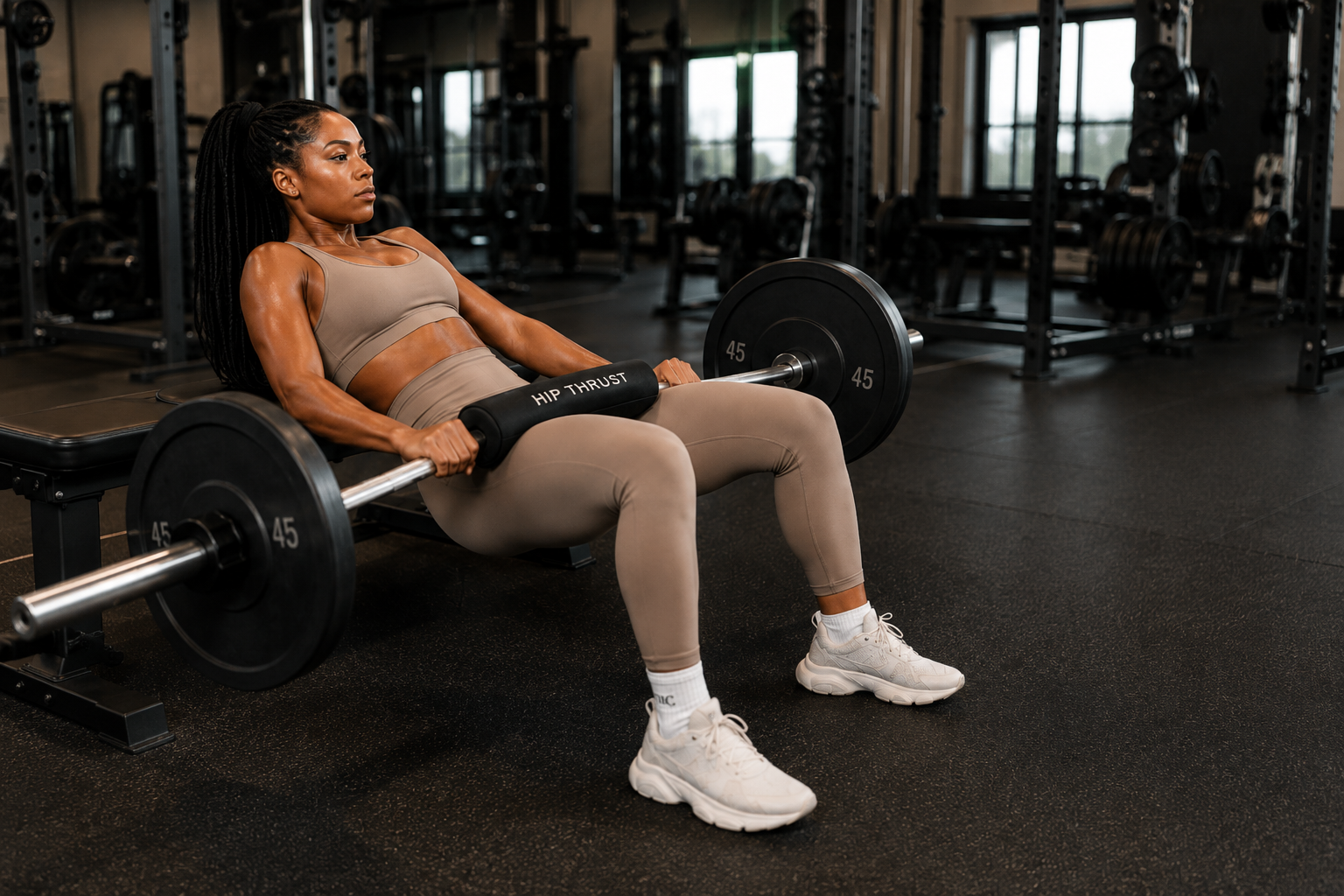
Strong Body, Soft Curves: Training With Intention
It All Begins Here
There is a difference between simply working out and training with intention.
A workout can make you sweat.
A workout can make you tired.
A workout can make you feel like you “did something.”
But intentional training is different.
Intentional training has direction. It has purpose. It connects your mind to your body. It helps you understand what muscles you are using, why the movement matters, and how each session supports the body you are building.
At Core & Curves Wellness, we believe your body deserves more than random workouts. It deserves structure, softness, strength, and strategy.
This is the heart of the Core & Curves method:
Strong body. Soft curves. Unshakable mindset.
What Does “Strong Body, Soft Curves” Mean?
A strong body does not mean losing your femininity.
A strong body means your muscles support you. Your posture improves. Your core becomes more stable. Your legs feel powerful. Your glutes become more activated. Your back feels stronger. Your body feels capable.
Soft curves means honoring the feminine shape while building the body with care. It means you can train your glutes, strengthen your core, reduce belly fat, and improve your overall wellness without trying to punish your body into becoming something it was never meant to be.
This is not about becoming hard, extreme, or disconnected from yourself.
This is about becoming aligned.
Why Training With Intention Matters
Many women work out consistently but still feel frustrated because they are not sure if they are doing the right exercises, using the right muscles, or following a plan that matches their goals.
That is where intention changes everything.
When you train with intention, you stop moving just to move. You begin asking:
What muscle am I supposed to feel?
Is my form correct?
Am I controlling the movement?
Am I breathing properly?
Am I progressing over time?
Does this exercise support my goals?
This mindset turns exercise into body awareness.
And body awareness is powerful.
The Mind-Body Connection
Your results are not only about what exercise you do. They are also about how you do it.
The mind-body connection is the ability to focus on the muscle you are training while performing the movement. Instead of rushing through reps, you slow down, engage the right area, and feel the movement working.
For example, during a hip thrust, the goal is not just to move the weight up and down. The goal is to drive through the heels, control the hips, squeeze the glutes at the top, and avoid letting the lower back take over.
That small shift can change the entire exercise.
When you are connected to your body, you train smarter.
Stop Chasing Random Workouts
Sis, random workouts create random results.
If one day you are doing intense cardio, the next day glutes, then abs, then skipping a week, then trying a challenge you saw online, your body never gets the structure it needs to respond.
That does not mean every workout has to be perfect. It means your body needs consistency and direction.
Your training should have a purpose.
If your goal is to reduce belly fat, build soft glutes, strengthen your core, and improve your body confidence, then your workouts should support those goals.
That means you need a balance of:
Strength training
Glute-focused movement
Core stability
Walking or low-impact cardio
Mobility and stretching
Recovery days
Progress tracking
This is how you stop guessing and start building.
Glute Training With Purpose
Glute training is more than trying to make your butt bigger.
Your glutes support posture, hip stability, lower body strength, pelvic control, and how your body moves. Strong glutes can help improve balance, support your lower back, and give your body a more lifted, shaped appearance.
But glute training must be intentional.
You want to feel the glutes working, not just the thighs or lower back.
Helpful glute exercises include:
Hip thrusts
Glute bridges
Romanian deadlifts
Cable kickbacks
Step-ups
Donkey kicks
Fire hydrants
Lateral band walks
Bulgarian split squats
The key is control.
Do not rush the movement. Do not let momentum do the work. Do not lift heavier than your form can handle.
Train like a woman who respects her body.
Core Training Is Not Just Crunches
When many women think of core training, they think of sit-ups and crunches. But your core is deeper than that.
Your core helps stabilize your body. It supports your spine, posture, breathing, balance, and movement. If your core is weak or disconnected, your body may compensate in other areas, especially the lower back and hips.
Core training should include movements that teach stability and control.
Examples include:
Dead bugs
Planks
Bird dogs
Standing core reaches
Pallof presses
Heel taps
Pelvic tilts
Controlled breathing work
A strong core supports a stronger waistline, better posture, and safer workouts.
Strength Training Supports Fat Loss
Many women focus only on cardio when they want to lose fat, especially belly fat. Cardio can be helpful, but strength training is essential.
Strength training helps build and preserve muscle. Muscle supports your metabolism and helps your body become stronger, tighter, and more shaped over time.
The goal is not to become bulky.
The goal is to build a body that looks and feels supported.
A balanced strength routine should include:
Lower body training
Glute-focused training
Upper body training
Back and posture work
Core stability
Mobility and recovery
When you train the whole body, your shape changes with more balance.
Walking Still Matters
Walking is simple, but powerful.
It supports fat loss, digestion, circulation, stress relief, and consistency. It is one of the easiest ways to add movement without overwhelming your body.
You do not have to punish yourself with extreme cardio every day.
Start with a realistic step goal. Build gradually. Walk after meals when possible. Use walking as a reset for your mind and body.
Sometimes the most powerful habits are the ones you can actually keep.
Recovery Is Part of the Results
More is not always better.
Your body needs time to recover, repair, and respond. If you constantly push without rest, you may feel sore, drained, frustrated, or inconsistent. Growth happens not in the gym but during the recovery time.
Recovery includes:
Sleep
Stretching
Hydration
Protein
Rest days
Mobility work
Stress management
You are not lazy for recovering.
You are building wisely.
What Intentional Training Looks Like
Intentional training is not about doing everything. It is about doing the right things consistently.
It looks like showing up with a plan.
It looks like choosing exercises that match your goals.
It looks like slowing down your reps.
It looks like checking your form.
It looks like tracking your progress.
It looks like choosing discipline over chaos.
It looks like giving yourself grace without giving up on yourself.
That is Core & Curves Wellness.
A Simple Weekly Training Foundation
A balanced weekly structure could look like this:
Day 1: Glutes + Quads
Focus on lower body strength, hip thrusts, squats, step-ups, and controlled glute work.
Day 2: Upper Body + Core
Train your back, shoulders, arms, posture, and core stability.
Day 3: Soft Glute Activation + Mobility
Use lighter movements like donkey kicks, fire hydrants, Pilates bridges, and stretching.
Day 4: Walking + Core
Prioritize steps, low-impact cardio, dead bugs, planks, and mobility.
Day 5: Glutes + Hamstrings
Focus on Romanian deadlifts, hamstring curls, bridges, reverse lunges, and glute control.
Then allow space for rest, stretching, and recovery.
The goal is not to train harder every day.
The goal is to train smarter every week.
Your Body Is Listening
Every rep teaches your body something.
When you rush, your body learns chaos.
When you move with control, your body learns alignment.
When you stay consistent, your body learns trust.
When you track your progress, your body gives you feedback.
You do not need to hate your body into change.
You need to lead it with intention.
Final Word
Sis, you are not just working out.
You are building strength.
You are shaping softness.
You are developing discipline.
You are becoming more connected to yourself.
That is why training with intention matters.
Because when you understand your body, move with purpose, fuel with awareness, and stay consistent long enough to see progress, everything changes.
This is not punishment.
This is alignment.
Strong body. Soft curves. Unshakable mindset.
Disclaimer: This blog is for educational wellness and fitness purposes only and is not medical advice. Always consult a qualified healthcare professional before beginning a new workout, nutrition, fasting, or supplement plan.

The Reset Plate: How to Eat for Energy, Fat Loss, and Balance
It All Begins Here
Food should not feel like punishment.
Too many women begin their wellness journey thinking they have to eat less, restrict more, cut out everything they enjoy, and survive on willpower just to see results. But at Core & Curves Wellness, we believe nourishment is part of the transformation.
The goal is not to starve your body into change.
The goal is to fuel your body in a way that supports energy, fat loss, digestion, hormones, workouts, recovery, and confidence.
That is what we call the Reset Plate.
The Reset Plate is a simple way to build meals that help you feel satisfied, supported, and aligned with your goals. It is not about perfection. It is about structure.
Strong body. Soft curves. Unshakable mindset.
What Is the Reset Plate?
The Reset Plate is a balanced meal approach that helps you build your plate with purpose.
Instead of guessing what to eat, skipping meals, or grabbing whatever is convenient, the Reset Plate gives you a simple structure:
Protein for strength.
Fiber for fullness.
Healthy fats for balance.
Smart carbs for energy.
Hydration for function.
This method helps you eat in a way that supports fat loss without making you feel deprived.
Because Sis, your body cannot transform well when it feels underfed, stressed, and confused.
Why Nutrition Matters for Fat Loss
Fat loss is not only about calories. It is also about consistency, blood sugar balance, protein intake, digestion, inflammation, hydration, and how your body responds to stress.
When your meals are unbalanced, you may feel hungry soon after eating, crave sugar, snack often, lose energy, or feel bloated. That can make consistency harder.
But when your meals are structured, your body gets the support it needs to function better.
You feel fuller.
You have more energy.
You recover better.
You make better choices.
You stop feeling like food is controlling you.
That is the power of eating with awareness.
Start With Protein
Protein is the foundation of the Reset Plate.
If you are training, walking, lifting, or trying to lose fat while keeping shape, protein matters. It helps support lean muscle, recovery, fullness, and body recomposition.
Protein also helps make meals more satisfying, which can reduce random snacking and cravings.
Good protein options include:
Chicken breast
Turkey
Salmon
Tuna
Eggs
Greek yogurt
Cottage cheese
Lean beef
Shrimp
Tofu
Protein smoothies
A simple goal is to include a quality protein source with each main meal.
Before you ask, “What should I cut out?” start asking, “Where is my protein?”
Add Fiber for Fullness and Digestion
Fiber is one of the most powerful tools for balance.
It supports digestion, helps you feel full, slows how quickly food breaks down, and supports better blood sugar control.
Fiber-rich foods include:
Broccoli
Spinach
Greens
Berries
Sweet potatoes
Oats
Quinoa
Beans
Lentils
Chia seeds
Flaxseeds
Apples
Avocado
If your meals leave you hungry too soon, check your fiber. A plate with only protein and no fiber may not keep you satisfied for long.
Your body needs volume, nutrients, and digestive support.
Choose Smart Carbs for Energy
Carbs are not the enemy.
The problem is not carbs. The problem is often the type, portion, timing, and what they are paired with.
Smart carbs can support your workouts, mood, hormones, and energy. They are especially helpful when you are strength training, walking, and trying to stay consistent.
Good carb options include:
Sweet potatoes
Oats
Brown rice
Quinoa
Fruit
Beans
Lentils
Whole grain wraps
Potatoes
High-fiber grains
Carbs work best when paired with protein and fiber. That combination helps prevent energy crashes and keeps you feeling more balanced.
So no, Sis, you do not have to fear carbs. You just need to use them with intention.
Include Healthy Fats
Healthy fats help support hormones, fullness, and meal satisfaction.
A meal with no fat may leave you feeling like something is missing. Healthy fats also make meals feel more complete and enjoyable.
Good options include:
Avocado
Olive oil
Nuts
Seeds
Chia seeds
Flaxseeds
Salmon
Nut butter
Egg yolks
The key is portion awareness. Healthy fats are powerful, but they are also calorie-dense. Use them with purpose, not fear.
Hydration Is Part of the Plate
Hydration is not separate from nutrition. It is part of your wellness foundation.
Water supports digestion, energy, workout performance, skin, circulation, and appetite awareness. Sometimes the body feels tired or snacky when it is really under-hydrated.
A simple habit is to drink water before meals and throughout the day.
You can also support hydration with:
Lemon water
Cucumber water
Herbal tea
Electrolytes when needed
Water-rich foods like fruit and vegetables
Hydration helps your body function. And a body that functions well responds better.
What a Reset Plate Looks Like
Here are simple examples:
Breakfast Plate
Eggs, avocado, berries, and water or tea.
Protein Bowl
Grilled chicken, quinoa, spinach, cucumber, avocado, and olive oil dressing.
Workout Recovery Meal
Salmon, sweet potato, broccoli, and water with lemon.
Quick Balanced Meal
Greek yogurt, berries, chia seeds, oats, and a small handful of nuts.
Dinner Plate
Turkey burger bowl with greens, roasted vegetables, sweet potato, and avocado.
The Reset Plate does not have to be fancy. It just needs to be intentional.
Eating for Fat Loss Without Starving
Starving yourself may create temporary weight loss, but it is not a strong long-term strategy.
When you constantly under-eat, you may feel tired, moody, weak, and inconsistent. Your workouts may suffer. Your cravings may increase. Your body may feel stressed instead of supported.
The Core & Curves approach is different.
We focus on:
Eating enough protein
Building balanced meals
Drinking enough water
Strength training
Walking consistently
Getting sleep
Managing stress
Tracking with honesty
Resetting without shame
This is how you build a lifestyle, not just a temporary diet.
The Problem With “All or Nothing” Eating
Many women fall into the all-or-nothing cycle.
You eat “perfect” for a few days.
Then life happens.
You eat something outside the plan.
You feel guilty.
You quit.
Then you promise to restart Monday.
Sis, that cycle is exhausting.
One meal does not ruin your progress. One snack does not erase your discipline. One off day does not mean you failed.
The goal is not perfect eating.
The goal is consistent alignment.
When you learn how to reset the next meal, the next choice, or the next day, you build power. You stop letting guilt control the journey.
How to Build Your Plate With Confidence
Use this simple guide:
Half of your plate: vegetables or fiber-rich foods
One-quarter of your plate: protein
One-quarter of your plate: smart carbs
Add a small serving of healthy fat
Drink water with or before the meal
This structure gives you balance without needing to overthink every bite.
You can adjust based on your body, goals, hunger, activity level, and preferences.
The best plan is one you can actually live with.
Mindset Matters at the Table
How you speak to yourself around food matters.
Food is not the enemy.
Your body is not the enemy.
You are not weak because you enjoy food.
You are not behind because you are still learning.
You are becoming.
At Core & Curves Wellness, nutrition is not about shame. It is about awareness. When you understand what your body needs, you can make choices from confidence instead of fear.
That is unshakable mindset.
Track What You Eat Without Judging Yourself
Tracking your meals can help you see patterns.
Maybe you are not eating enough protein.
Maybe you are skipping breakfast and overeating later.
Maybe your water is low.
Maybe your meals are missing fiber.
Maybe you feel better when you plan ahead.
Tracking gives you information, not condemnation.
Use your journal to record meals, protein, water, fasting windows, energy, cravings, digestion, and how you feel. Over time, your body will show you what works.
What you track, you can adjust.
What you adjust, you can improve.
Final Word
Sis, your body does not need another extreme diet.
It needs structure.
It needs nourishment.
It needs consistency.
It needs patience.
It needs you to stop punishing it and start partnering with it.
The Reset Plate is a simple reminder that transformation begins with how you care for yourself daily.
Build the plate.
Fuel the body.
Honor the process.
Reset when needed.
Keep becoming.
This is wellness with softness, strength, and strategy.
Strong body. Soft curves. Unshakable mindset.
Disclaimer: This blog is for educational wellness purposes only and is not medical advice. Always consult a qualified healthcare professional before beginning a new fitness, fasting, supplement, or nutrition plan.